Revitalizing Made-in-Nigeria Leather: Highlights from NILEST Leather Connect on Jordan 105.5 FM
Written by Olakunle Oke on September 2, 2026
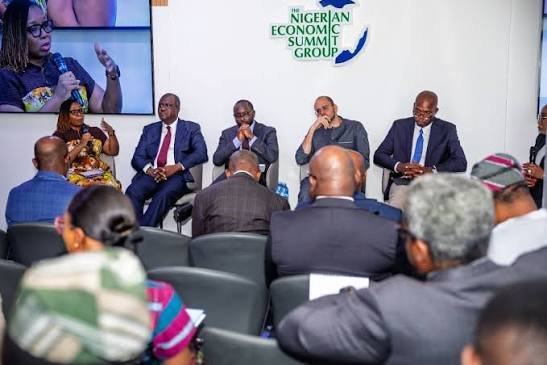
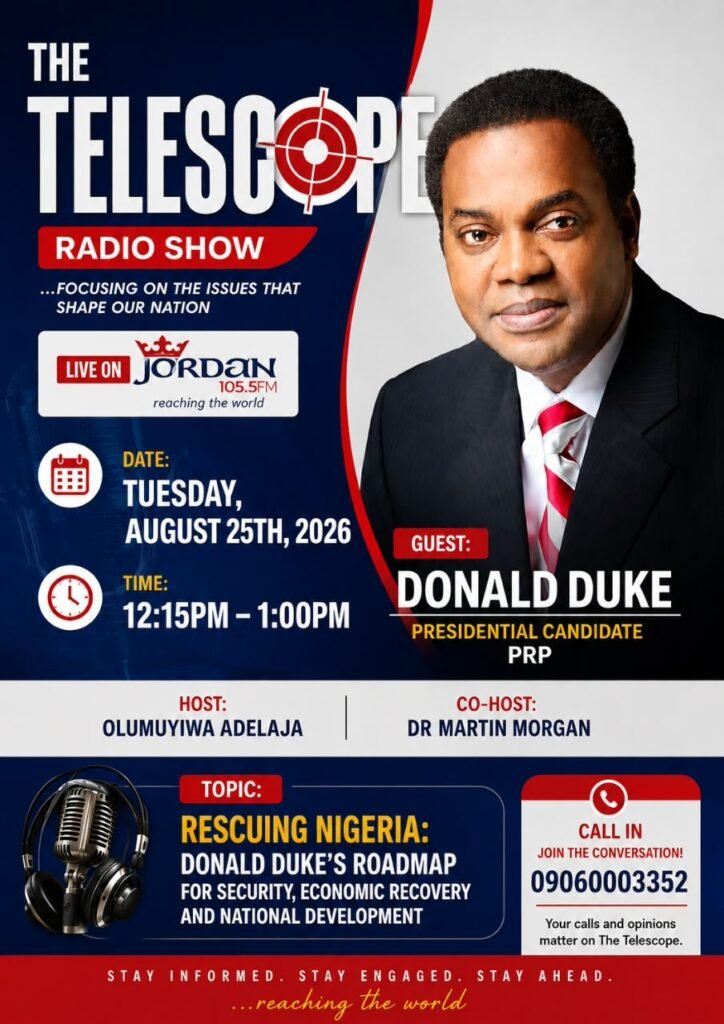
The Nigerian leather industry is standing at the threshold of a major transformation. On a special broadcast of NILEST Leather Connect—hosted by Von Michael on Jordan 105.5 FM Lagos—industry leaders, local artisans, and government representatives gathered to discuss how Nigeria can fully unlock its massive leather potential.

From Zaria to Aba, and Kano to Lagos, the vision is clear: drive a national leather revolution through industrial cluster processing zones, value addition, strategic investments, and export development.
The Modern Face of Nigerian Leather
The perception of the leather sector is rapidly changing. Historically viewed as an informal market operated by untrained workers, the industry is now attracting structured innovation, tech integrations, and dynamic creative talent.
Changing Narratives: Industry figures like Abba Usman (CEO of Yasco Footwear) emphasize that educated professionals—including university graduates and lawyers—are actively building careers in leatherwork and shoemaking.
Creative Innovation: Ashim Akimbodi (CEO of Ashim Shoes) notes that modern graphics, refined designs, and creative value additions are making local leather items far more appealing.
Economic Potential and Key Challenges
Beyond oil, leather stands as one of Nigeria’s primary historical revenue streams and remains the second-largest non-oil export earner. Despite possessing some of the finest quality hides in the world, local artisans face significant systemic hurdles:
Raw Material Minimum Order Quantities (MOQs): Small-scale shoemakers struggle to source affordable, finished leather locally. Tanneries frequently mandate large production runs (5,000 to 10,000 square feet) geared toward export markets rather than supplying smaller local orders.
Skill Standardization & Technology: Many local artisans learn trade skills informally without access to advanced finishing equipment, leading to consumer complaints regarding the final finish of domestic leather goods.
Government Support and the Path Forward
Dr. Awal Mustafa Imam, Director-General of the Nigerian Institute of Leather and Science Technology (NILEST), emphasized the agency’s role in advancing tech development and regulating standards across the value chain. Government-backed skill acquisition initiatives and training workshops across Lagos and other hubs are actively bridging the technical gap for local artisans.
To position Nigeria as a global leather hub, panelists called for:
Stronger public-private collaborations focusing on international exposure, research, and skill expansion.
Policy frameworks that safeguard local manufacturers while improving domestic access to finished materials.
Stricter environmental and processing regulations to streamline standards.
Tune in to NILEST Leather Connect every Tuesday at 1:00 PM on Jordan 105.5 FM Lagos to follow ongoing discussions on promoting Made-in-Nigeria leather.